Javed Ke Naam
Written by
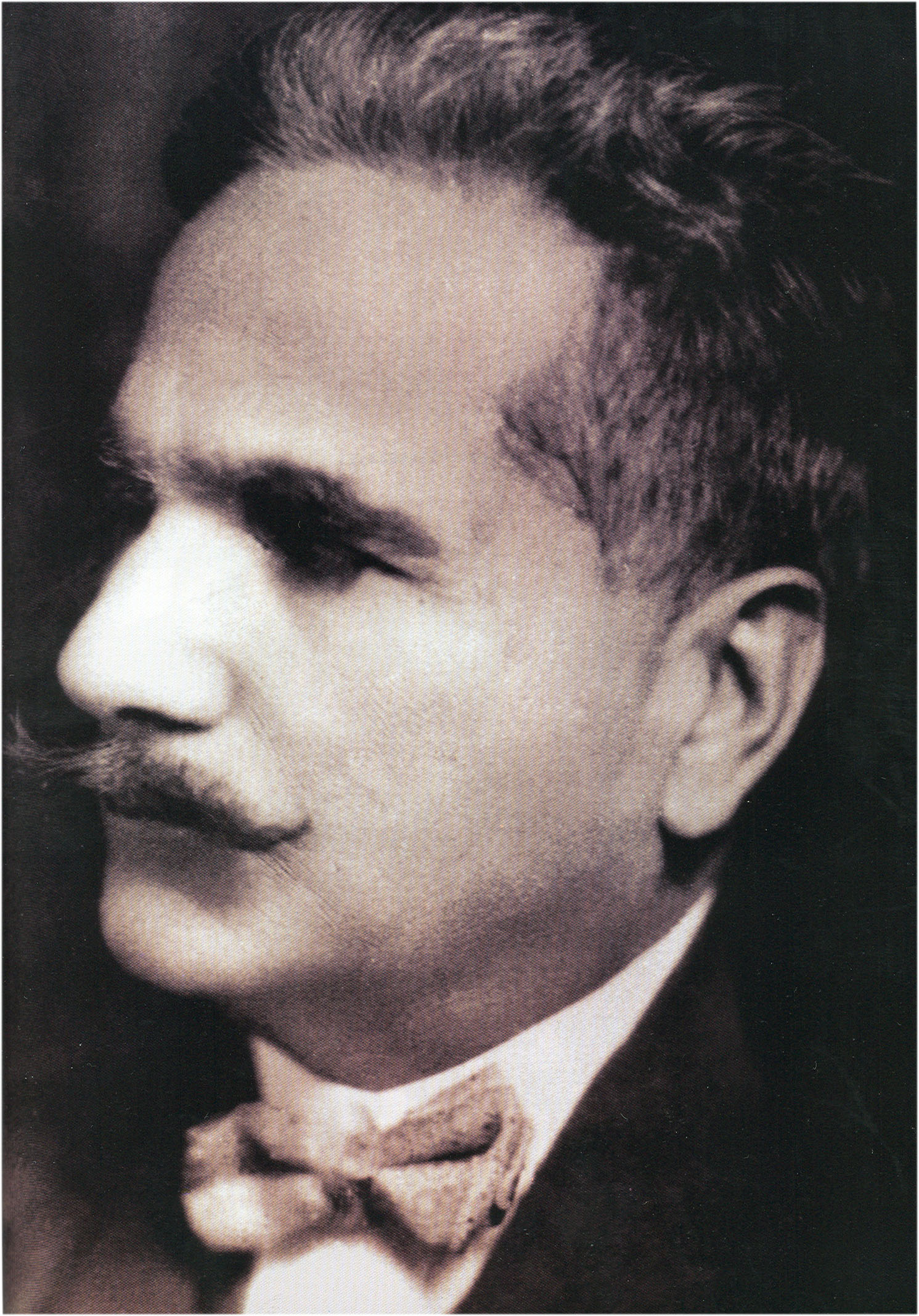
From Bal-e-Jibril (1935). Written by Iqbal to his young son Javed during British colonial India. The poem is structured as a series of commands. Iqbal wrote it after receiving Javed's first letter while he was in London. Javed Iqbal went on to become a Senior Justice of the Supreme Court of Pakistan.
Listen
Breakdown
"Maqam" is not just a place. In Sufi tradition, it is a spiritual station earned through effort, not inherited or stumbled upon. Iqbal is telling Javed: carve out your own rank in the world through passionate striving, do not wait for one to be given to you.
Iqbal is telling Javed: do not depend on Western powers or accept their charity. Build from your own soil. Self-sufficiency is dignity, and borrowing from others, no matter how refined their craft, costs you your independence.
Iqbal calls himself "shakh-e-taak" (a vine branch) and his poetry the fruit it bears. He is telling Javed: take what I have written and distill from it something intoxicating and alive, the way wine is pressed from grapes.
Iqbal declares his path is faqeeri (spiritual poverty, not destitution) over amiri (worldly wealth). "Khudi na bech" is the poem's sharpest command: do not sell your selfhood for status or comfort. Build your name through dignity in hardship, not through compromise.