Sahar Qareeb Hai
Written by
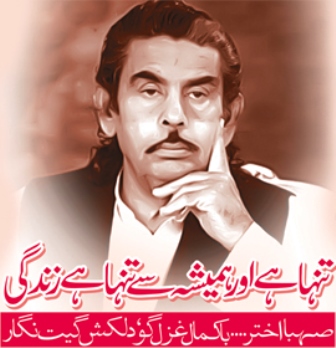
A five-couplet ghazal by Sehba Akhtar (1931-1996), an Urdu poet and film songwriter born in Jammu who migrated to Pakistan after Partition. Most famously performed as a qawwali by Nusrat Fateh Ali Khan, and later by Rahat Fateh Ali Khan on his 2023 album Sahar. Sehba Akhtar was awarded the President's Medal for his contributions to Urdu literature. A road and library in Karachi are named after him.
Listen
Breakdown
The poet has been up all night waiting for his beloved, and dawn is close. But the stars, who endured the same night he did, will not survive the sunrise. He seems to be asking whether the same is true for him.
In the ghazal tradition, the beloved is typically depicted as beautiful and indifferent. Their gaze does not wound on purpose, it wounds because it does not care. The poet is not so much complaining as asking a genuine question: has it ever even occurred to the beloved what happens to people when they are looked at like that?
In Urdu poetry, spring is the gold standard for beauty in the natural world. The poet puts the beloved's beauty directly against it and says he genuinely does not know who wins. The worry is not for the beloved, it is for spring: that even nature's best might not be enough.
The poet wants to see the beloved's face. But he hesitates, and the reason is likely not modesty or respect for the beloved's privacy. He seems to be afraid that seeing something that beautiful, all at once, unveiled, might be more than his senses can actually handle.
Mazaaq-e-deed is the capacity to perceive and appreciate beauty, the trained eye, the part of you that responds to something beautiful. Sehba is saying: the real danger is not that beauty disappears from the world, but that you lose the ability to see it. If that faculty changes, every joy in life becomes meaningless. The ghazal has moved from waiting, to the beloved's gaze, to their beauty, to the veil, and it lands here: the fear that you yourself might change.